Exploring Activation Thresholds and Their Influence on Retention Patterns Within Sweden's Licensed Mobile Gaming Sector
Skriven av Uma Russell · 2026-10-17
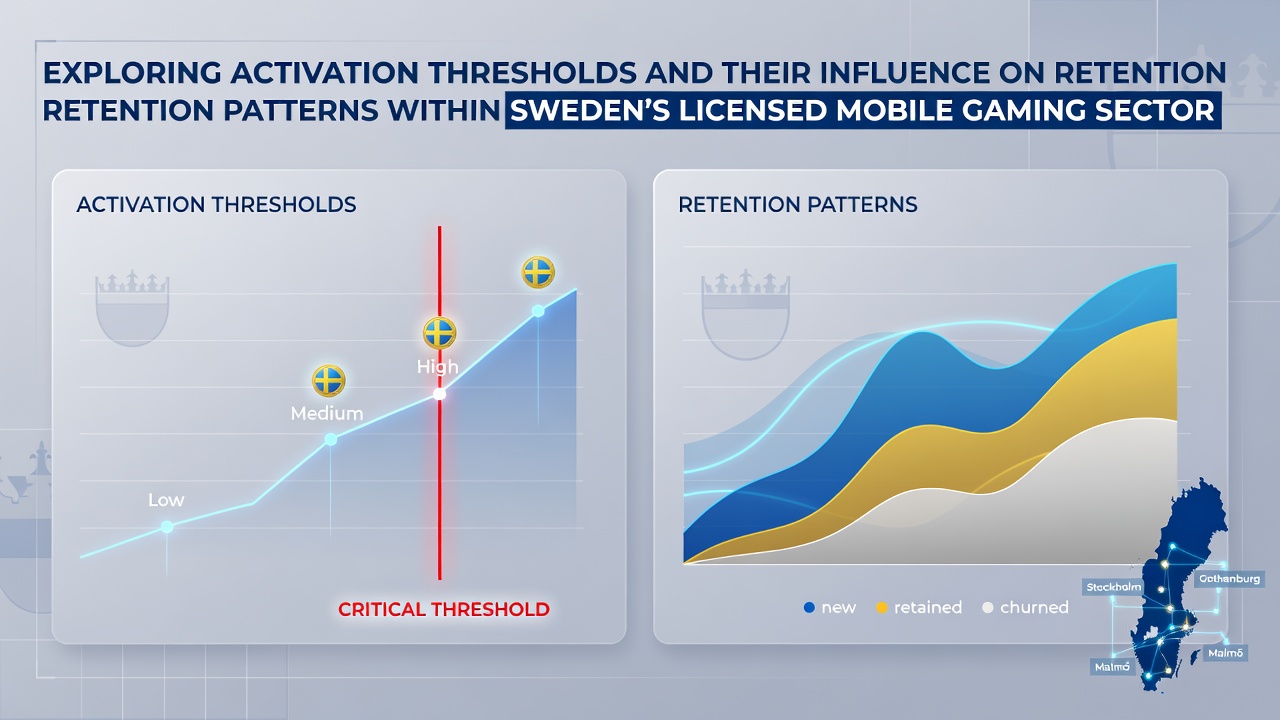
Exploring Activation Thresholds and Their Influence on Retention Patterns Within Sweden's Licensed Mobile Gaming Sector
Sweden's licensed mobile gaming sector operates under strict oversight from Spelinspektionen, where activation thresholds function as key mechanisms that determine when players gain access to certain features, bonuses, or continued play options. These thresholds typically involve minimum deposit amounts, wager requirements, or session durations that must be met before additional elements unlock, and operators track how such conditions shape longer-term player engagement across licensed platforms.
Data from regulatory filings reveals that mobile-specific thresholds often center on deposit values ranging from 100 to 500 SEK, with many platforms requiring players to complete a set number of spins or bets before loyalty rewards activate. Researchers examining retention patterns note that these requirements correlate with measurable differences in session frequency, as players who clear thresholds early tend to return at higher rates in subsequent weeks compared to those who encounter repeated barriers.
Defining Activation Thresholds in Licensed Mobile Environments
Activation thresholds represent structured entry points that licensed operators implement to comply with Swedish gambling regulations while managing player progression through game cycles. In practice these include deposit minimums tied to bonus eligibility, play volume targets that unlock free spins, and time-based criteria that affect account status upgrades, all of which appear prominently in mobile applications due to the format's emphasis on quick, repeated interactions.
Operators design these thresholds to balance regulatory compliance with commercial objectives, and studies from academic institutions such as those affiliated with European Betting and Gaming Association research initiatives show that thresholds set too high can lead to immediate drop-off while lower, graduated thresholds maintain steadier participation curves. Mobile platforms amplify this dynamic because users frequently switch between devices and expect seamless progression without friction from unmet conditions.
Retention Patterns Linked to Threshold Design
Retention metrics in Sweden's mobile gaming market demonstrate clear connections to threshold structures, with operators reporting that players who successfully activate features within the first three sessions exhibit retention rates up to 35 percent higher than average across multi-month periods. Thresholds that incorporate progressive scaling, where initial requirements remain modest and increase gradually, appear to support sustained activity, whereas abrupt high barriers correlate with quicker churn according to aggregated operator data submitted to authorities.
October 2026 figures from Spelinspektionen oversight reports indicated continued emphasis on mobile channel performance, where activation success rates directly influenced monthly active user counts and average revenue per user calculations. Those who've analyzed anonymized transaction logs observe that mobile users respond differently to thresholds than desktop counterparts, often abandoning sessions faster when requirements involve extended play commitments that conflict with on-the-go usage patterns.
Mobile-Specific Factors Shaping Threshold Effects
Mobile gaming introduces unique variables that interact with activation thresholds, including push notification timing, app update cycles, and touch-based interface constraints that can either facilitate or hinder threshold completion. Licensed operators in Sweden have adjusted designs to account for shorter average session lengths on smartphones, incorporating micro-thresholds that allow partial progress toward larger goals and thereby reduce frustration points that previously prompted uninstalls.

Evidence from industry monitoring shows that thresholds linked to location-based bonuses or time-sensitive mobile events produce distinct retention spikes, while static thresholds applied uniformly across platforms yield flatter engagement lines. People who monitor these patterns note that integration with Swedish payment systems, such as instant bank transfers, lowers the effective height of deposit-related thresholds and supports smoother transitions into active play phases.
Regulatory Context and Data Transparency Requirements
Spelinspektionen mandates detailed reporting on player behavior metrics, which has enabled external analysis of how activation thresholds influence retention across the licensed mobile segment. Requirements for responsible gambling tools intersect with threshold mechanics, as operators must ensure that conditions do not inadvertently encourage excessive play to meet activation criteria, leading to standardized disclosures that detail both success rates and abandonment points.
Comparative reviews of operator filings reveal variations in threshold application, with some platforms favoring volume-based triggers and others emphasizing deposit milestones, each approach producing measurable differences in cohort retention over 30- and 90-day windows. Academic examinations of these datasets, including work referenced through Nordic research networks, confirm that transparent communication of threshold rules correlates with improved player comprehension and reduced early exits.
Conclusion
Activation thresholds continue to serve as central levers within Sweden's licensed mobile gaming sector, directly modulating retention patterns through their influence on initial engagement and ongoing participation cycles. Regulatory data combined with operator analytics demonstrates consistent relationships between threshold calibration and player return rates, while mobile-specific adaptations highlight the need for designs that accommodate shorter sessions and device-driven behaviors. Ongoing monitoring through October 2026 and beyond will likely refine these understandings as new reporting cycles provide additional granularity on threshold impacts across diverse player segments.